Representing the most prestigious tournament in international football, the FIFA World Cup has an illustrious history dating back to 1930. Littered with mesmerising individual moments, all pre-eminent World Cup teams have been inspired by fabulous captains.
The four core pillars for measuring a standout skipper are: leadership, tactical acumen, fostering team unity, and handling pressure in critical moments.
Captaining your country is viewed as a responsibility and a great privilege. We have strict criteria for judging the finest World Cup-winning captains, and we have ranked several of the most iconic.
Table of content
Key Takeaways
- Didier Deschamps holds the relatively rare feat of winning the World Cup as a manager and player.
- Diego Maradona continues to receive acclaim as after steering Argentina to success in 1986.
- Franz Beckenbauer redefined the art of leadership with West Germany in 1974.
- Cafu, who won the World Cup as captain in 2002, played in three consecutive finals.
- Fabio Cannavaro hoisted the World Cup as Italy captain in 2006.
Diego Maradona – Little Genius
Maradona stormed to the top of our meticulously researched list, and the late Argentina maestro left an indelible mark on the 1986 World Cup. Frequently carrying the weight of the world on his shoulders, Maradona did so with unyielding brilliance.
Unlike other captains, who prioritised organisation and pragmatism, Maradona was a maverick who spearheaded his side through creativity and brilliance. His superb solo strike against England in the quarter-finals was dubbed “Goal of the Century”, but Maradona’s extraordinary talent and ability to inspire his colleagues were overriding factors.
Franz Beckenbauer – Tactical Innovator
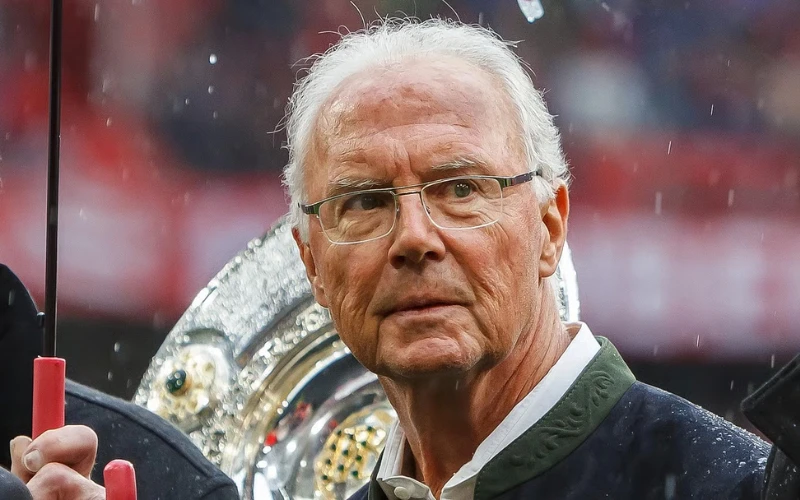
More affectionately known as “Der Kaiser”, Franz Beckenbauer redefined the art of leadership. Captaining West Germany at the 1974 World Cup, Beckenbauer exhibited tactical innovation and intelligence, and his authority on the pitch was almost unmatched.
From a performance perspective, Beckenbauer, who was part of the same team that lost to England in the 1966 World Cup Final, revolutionised the defensive sweeper role. He could step forward and dictate attacks from the back, which then became widely used as a blueprint for other coaches.
Against Johan Cruyff’s fabled “Total Football” system, Beckenbauer’s West Germany stifled the Netherlands, winning the Final 2-1 on home soil, and it was a game that still evokes strong memories for some fans.
It’s often suggested that a strong defensive system is the foundation for success. Under the stewardship of Fabio Cannavaro, Italy achieved defensive perfection at the 2006 World Cup.
Yes, Italy were watertight throughout the campaign, conceding just twice. Cannavaro may have been shorter than the average elite centre-back, but what he lacked in height, he more than compensated with his amazing discipline and positioning.
He wore the armband with distinction, and it is a testament to his longevity that he earned 136 caps for the Azzurri between 1997 and 2010, second to the legendary Gianluigi Buffon.
Cafu – The People’s Champion
Having played in three consecutive Finals, this gives you an idea of the single-mindedness and appetite for success that Cafu possessed.
His crowning moment was in 2002, and few captains matched his consistency and professionalism. Cafu was able to extract the best out of a squad brimming with superstars, such as Rivaldo, Ronaldo, and Ronaldinho, and he worked tirelessly on the pitch, bombing down the right flank.
Cafu also showed great humility, delivering a message after the Final paying tribute to his hometown. He raised the standards for modern-day World Cup captains, but Brazil, who have seen success elude them since 2002, aren’t fancied by leading bookmakers to end their drought, trading at 9.00 with most platforms, including Betpanda.io.
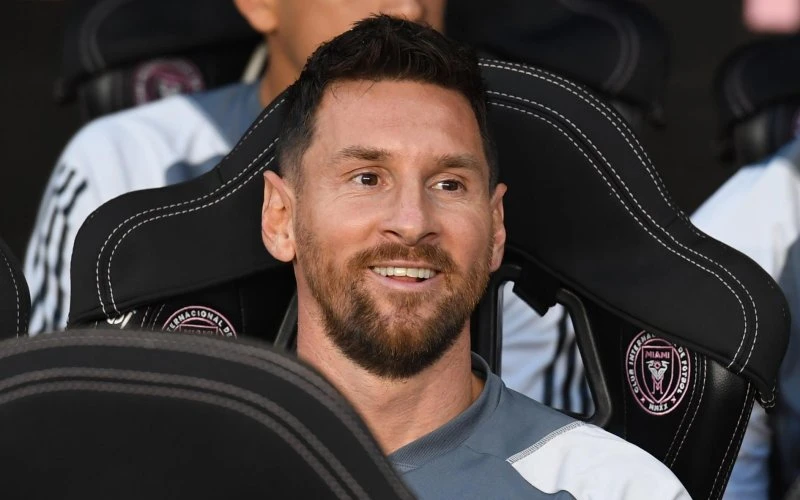
Lionel Messi – Completing the Game
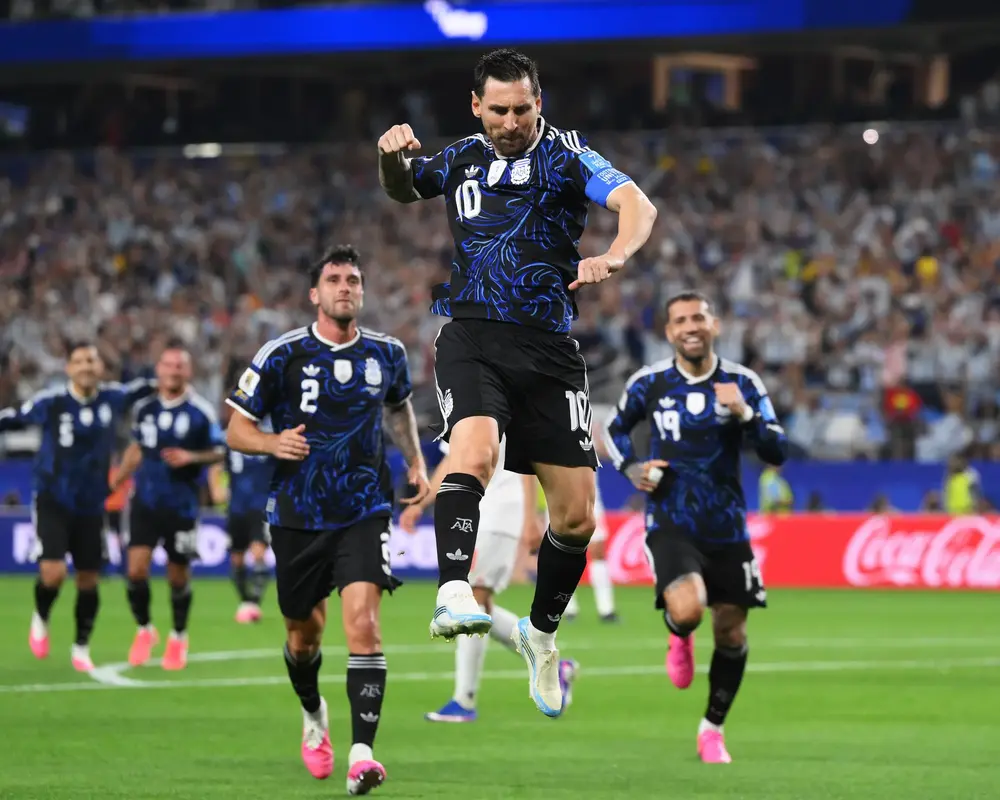
For many years, Lionel Messi was questioned about whether he had the mettle to succeed on the international stage. Four World Cups came and went, and the unending comparisons to Maradona did him little favours.
However, Messi answered the question emphatically in 2022, ticking off a major gap in his CV. While he often cut an unassuming figure on the pitch in terms of vocal presence, Messi was the epitome of calm at the World Cup, and he turned things around after Argentina’s opening group defeat to Saudi Arabia.
His two-goal salvo in the Final against France was extraordinary, highlighting his ability to perform in clutch moments, and a lifelong mission to lift the World Cup was completed. It was a highly satisfying moment for the neutrals too.
Didier Deschamps – Midfield Schemer
Despite not possessing the flamboyance of a Maradona or Messi, Deschamps, who was known as the “water carrier”, often did the dirty work, breaking up play and thwarting attacks.
Deschamps handled the pressure impeccably, and he was often a rallying influence in the dressing room, lifting France team when they needed it most.
He won the World Cup as a player in 1998, and then clinched football’s most coveted prize in 2018, joining the rare group of individuals to win the tournament as a player and manager. Deschamps proved his tactical astuteness, and he made France, who are floating around the 6.00 mark in the outright market for this year’s World Cup, a formidable force.
A Summary of World Cup Winning Captains
The World Cup-winning captains featured in this list all displayed similar characteristics — bravery, leadership, calmness, and an unyielding desire to win — and they reshaped the contours of the game.
All these qualities are key ingredients in the construction of an exceptional modern-day World Cup leader, and it will be fascinating to see which captain stands up to the mark at the 2026 edition.
FAQ About FIFA World Cup-Winning Captains
⭐ Has anyone won the World Cup as a manager and player?
Deschamps is part of an exclusive club, where only Beckenbauer and Mario Zagallo have achieved this feat.
⭐ Who is the greatest World Cup-winning captain?
Although our list was limited to six, we ranked Maradona as the top World Cup winning captain. His creativity, emotion and ability to rally his team-mates made Argentina unstoppable at the 1986 World Cup.
⭐ Who is the youngest World Cup-winning captain?
Argentina’s Daniel Passarella, who didn’t make the cut, was 25 years and 30 days when he captained his country to World Cup glory in 1978.
⭐ How many times did Cafu win the World Cup with Brazil?
Cafu won the World Cup twice with Brazil (1994 and 2002), and he was a runner-up in 1998 in a highly distinguished international career.
⭐ When does the FIFA World Cup 2026 begin?
The World Cup starts on June 11, and matches will be held across three countries – the USA, Mexico, and Canada.
Sports Editor